







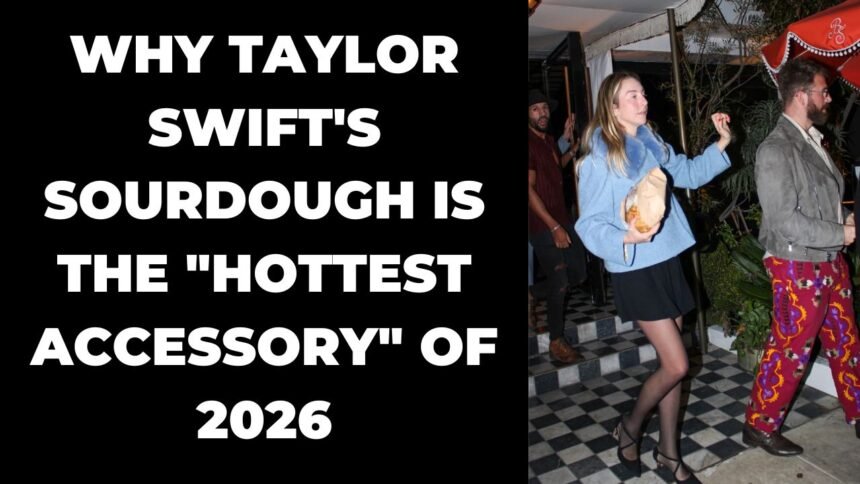
When Pop Culture Meets Artisan Bread
Have you ever imagined that a loaf of bread could become the must-have item of the year?
- When Pop Culture Meets Artisan Bread
- The Rise of Taylor Swift’s Sourdough Obsession
- Why Sourdough? Understanding the Appeal
- Taylor Swift’s Influence on Modern Trends
- Sourdough as a Status Symbol in 2026
- How Brands Are Capitalizing on the Trend
- The Community Aspect: Baking Together
- Environmental and Sustainable Living Connections
- The Psychology Behind Following Celebrity Trends
- How to Start Your Own Sourdough Journey
- Conclusion
- FAQs
Well, welcome to 2026, where Taylor Swift’s sourdough isn’t just food—it’s a full-blown cultural phenomenon.
From her sold-out stadium tours to her chart-topping albums, Taylor has always had the Midas touch.
But who would’ve thought that her latest obsession would transform humble sourdough bread into the hottest accessory of the year?


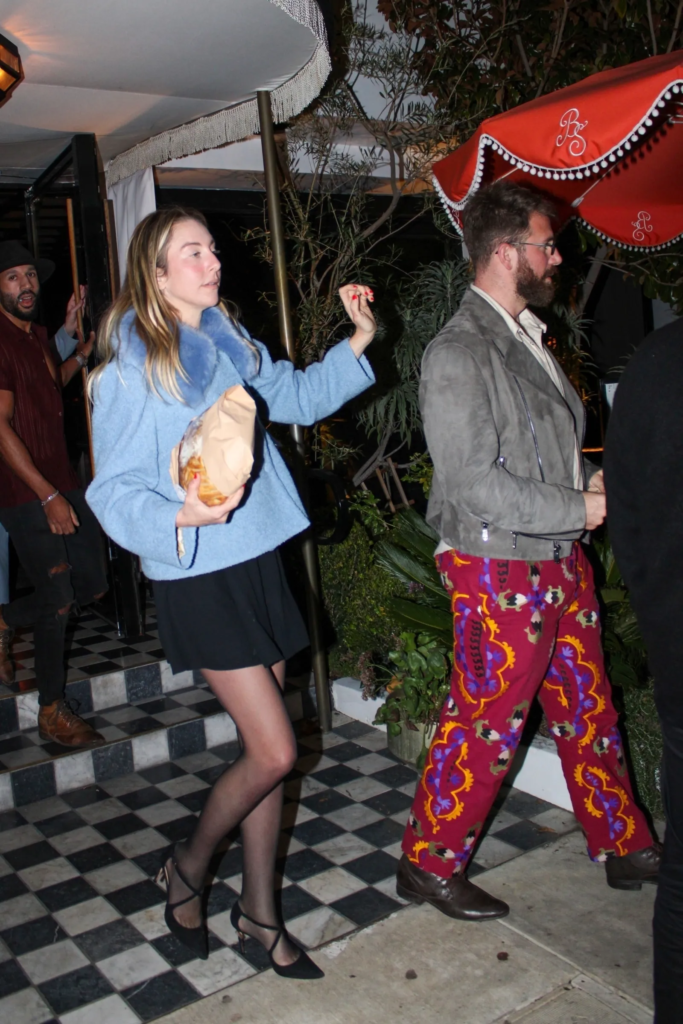
We’re living in an era where celebrity influence extends far beyond music and fashion.
Today, what your favorite artist bakes in their kitchen can spark a global movement. And that’s exactly what’s happening with Taylor Swift’s sourdough. This isn’t just about bread; it’s about belonging, creativity, and finding joy in the simple things.
Let’s dive into why everyone—from devoted Swifties to casual observers—is suddenly obsessed with artisan bread.
The Rise of Taylor Swift’s Sourdough Obsession
How It All Started
The sourdough saga began innocently enough. During a break between tour dates in early 2025, Taylor posted a casual Instagram story showing her kitchen counter covered in flour, a bubbling starter jar, and the caption:
“Therapy looks different for everyone.”
That single post garnered millions of views within hours, and suddenly, everyone wanted to know more about Taylor’s baking journey.
What made this moment different from other celebrity hobbies?
Taylor didn’t just post once and move on. She shared her failures—the dense loaves that could double as doorstops, the starters that died despite her best efforts, and the messy kitchen disasters. This vulnerability resonated with millions who saw themselves in her struggles.
She made baking feel accessible, human, and perfectly imperfect.
Social Media’s Role in the Trend
Instagram, TikTok, and other platforms exploded with #SwiftSourdough content. Fans began documenting their own baking journeys, creating a ripple effect that turned into a tidal wave.
Tutorial videos tagged with Taylor Swift references went viral, baking fails became badge of honor moments, and suddenly sourdough starter became as coveted as concert tickets.

The hashtag #BakeItOffBakeItOff (a playful nod to “Shake It Off”) trended for weeks, accumulating billions of views. Content creators found creative ways to merge Taylor’s lyrics with bread-making metaphors, and the internet ate it up—literally and figuratively. This wasn’t just fans copying their idol; it was a community forming around a shared experience.
Why Sourdough? Understanding the Appeal
The Health Benefits That Hook You
Let’s talk about why sourdough specifically captured everyone’s attention.
Unlike mass-produced bread, sourdough offers genuine health benefits that align perfectly with 2026’s wellness-focused culture.
The fermentation process breaks down gluten, making it easier to digest for many people.
It’s packed with probiotics that support gut health, contains lower glycemic levels than regular bread, and offers better nutrient absorption.
For health-conscious consumers who’ve been bombarded with processed foods, sourdough represents a return to ancestral eating patterns.
It’s bread made the way our great-grandparents made it—with just flour, water, and salt.
No preservatives, no artificial ingredients, just time and patience. Taylor’s advocacy for this traditional method resonated with people seeking authenticity in their food choices.
The Therapeutic Process of Baking
But the appeal goes beyond nutrition. In our hyper-connected, always-on world, sourdough baking offers something increasingly rare: forced mindfulness. You can’t rush a sourdough loaf. The starter needs feeding, the dough needs time to ferment, and the process demands your presence and attention.
Think of it as meditation you can eat. The rhythmic kneading, the satisfaction of watching dough rise, the intoxicating smell of fresh bread—these sensory experiences provide a counterbalance to screen fatigue and digital overwhelm.
Taylor herself described it as “creating something with your hands that nourishes both body and soul,” and millions found that message incredibly appealing in 2026’s stress-saturated environment.
Taylor Swift’s Influence on Modern Trends
From Music to Lifestyle Icon
Taylor Swift’s evolution from country singer to pop superstar to cultural tastemaker is well-documented. But her latest transformation into a lifestyle influencer represents something new. She’s not partnering with brands or launching product lines (though those opportunities certainly exist). Instead, she’s sharing genuine interests and inviting fans to explore them alongside her.
This authenticity is key. Gen Z and younger Millennials have developed sophisticated filters for detecting inauthentic marketing.
They can spot a paid partnership from a mile away. Taylor’s sourdough journey feels real because it is real—she’s not selling anything except the joy of creating something meaningful with your own hands.
The Swiftie Effect on Consumer Behavior
The “Swiftie Effect” is a phenomenon economists and marketers study seriously. When Taylor endorses something—intentionally or not—markets shift.
After she posted about sourdough, sales of Dutch ovens increased by 340%, flour companies reported unprecedented demand, and baking supply stores couldn’t keep starter jars in stock.
But this goes deeper than just purchasing behavior.
Taylor’s influence shapes how young people spend their time, what skills they value, and how they connect with others.
Sourdough baking became a social currency, a conversation starter, and a way to signal shared values around sustainability, creativity, and slowing down in a fast-paced world.
Sourdough as a Status Symbol in 2026
The New Luxury Isn’t What You Think
Remember when luxury meant designer handbags and expensive watches? In 2026, status symbols have evolved.
The new luxury is time—time to nurture a sourdough starter, time to wait for the perfect fermentation, time to create something from scratch. It’s a rebellion against instant gratification and a statement about priorities.
Carrying a homemade sourdough loaf to a dinner party signals something different than bringing store-bought bread or expensive wine.
It says, “I invested myself in this.” It demonstrates patience, skill, and a commitment to quality that resonates in our era of mass production and quick fixes. Taylor tapped into this shift, and her massive platform amplified what was already bubbling beneath the surface of cultural consciousness.
Instagram-Worthy Aesthetics
Let’s be honest—sourdough is gorgeous. Those artisan scores, the crackling crust, the open crumb structure revealing perfect fermentation—it’s visual poetry. In an image-driven social media landscape, a beautiful sourdough loaf is content gold.
Taylor’s own posts showcasing her bakes—often styled with vintage linens, natural lighting, and cozy kitchen backdrops—created an aesthetic template that thousands replicated. The sourdough journey became a content series for aspiring influencers, a portfolio piece for food photographers, and a legitimate hobby for people who never considered themselves “bakers.”
How Brands Are Capitalizing on the Trend
Limited Edition Baking Kits
Where there’s demand, brands will follow. Companies quickly launched Taylor Swift-inspired baking kits, though none officially licensed (Taylor hasn’t commercialized the trend herself). These kits include everything a beginner needs: starter cultures, specialty flours, bannetons, lame scoring tools, and recipe cards with names that playfully reference Taylor’s songs.
“The Fearless Baker’s Kit,” “Reputation Rising Starter Set,” and “Evermore Sourdough Collection” flew off virtual shelves. Premium versions included heirloom grain flours, hand-crafted pottery bread vessels, and online community access. The market expanded rapidly, with established kitchenware brands and artisan startups alike competing for attention.
Celebrity Collaborations and Merchandise
Other celebrities and chefs jumped on the bandwagon, creating their own sourdough narratives and partnerships. Baking influencers who’d been grinding away for years suddenly found massive audiences. Cooking shows dedicated entire episodes to sourdough techniques, often mentioning Taylor’s role in popularizing the craft.
Merchandise extended beyond baking tools to apparel and accessories. T-shirts proclaiming “Bread Baker Era” or “In My Sourdough Phase” became ubiquitous. Tote bags designed to carry fresh loaves turned into fashion statements. The trend infiltrated every corner of consumer culture, proving that when Taylor touches something, it transforms into gold—or in this case, perfectly risen dough.
The Community Aspect: Baking Together
Online Sourdough Communities
One of the most beautiful aspects of the sourdough trend is how it fostered genuine community. Online forums, Discord servers, and Facebook groups dedicated to sourdough baking exploded in membership. Beginners asked questions without judgment, experienced bakers shared troubleshooting advice, and everyone celebrated each other’s successes.
These communities transcended the typical fan club dynamic. People from different countries, backgrounds, and age groups connected over their shared struggles with stubborn starters and sticky dough. The bread became a bridge, and Taylor’s initial spark created space for thousands of meaningful connections that had nothing to do with her music and everything to do with human connection.
Swiftie Baking Circles
Swifties took it further, organizing local baking circles where fans gathered to bake together, share Taylor’s music, and build friendships. These weren’t just virtual connections—they were real-world communities forming around dual passions. Some groups coordinated baking sessions timed with album releases, others created charity bakes where proceeds supported causes Taylor advocates for.
The beauty of these circles lies in their inclusivity. You didn’t need to be an expert baker or a superfan—just someone interested in learning, sharing, and connecting. This accessibility reflects Taylor’s own approach to sharing her sourdough journey, making everyone feel welcome at the table (literally).
Environmental and Sustainable Living Connections
Slow Food Movement Alignment
The sourdough trend dovetails perfectly with broader movements toward sustainability and conscious consumption. Baking your own bread reduces packaging waste, supports local mills and grain farmers, and gives you complete control over ingredients. It’s the antithesis of industrial food production, and that resonates deeply with environmentally conscious consumers.
Taylor has been vocal about environmental issues, and while she hasn’t explicitly connected her baking to climate activism, fans have made those connections themselves. Growing and maintaining a sourdough starter becomes a small act of resistance against throwaway culture, a way to participate in the slow food movement, and a tangible expression of values that many young people hold dear.
Reducing Waste Through Home Baking
Home sourdough bakers quickly discover the joy of zero waste cooking. Failed loaves become croutons or breadcrumbs, excess starter transforms into pancakes or crackers, and nothing goes to waste. This circular approach to cooking appeals to a generation raised on climate warnings and increasingly aware of their environmental footprint.
The trend has even influenced how people think about other aspects of food consumption. Once you’ve experienced the satisfaction of creating your own bread, you start questioning why you’re buying so many other processed foods.
Many sourdough bakers report that their hobby gateway them into broader homesteading practices like fermenting vegetables, preserving seasonal produce, and cooking more meals from scratch.
The Psychology Behind Following Celebrity Trends
Why do we follow celebrity trends at all? It’s more complex than simple admiration. When we adopt a celebrity’s hobby or interest, we’re seeking connection—not just with them, but with a larger community of like-minded people. We’re also experimenting with identity, trying on aspects of someone we admire to see how they fit our own lives.
Taylor Swift’s sourdough trend succeeded where others failed because it offered genuine value beyond association. You didn’t need to buy expensive products or completely change your lifestyle. You just needed flour, water, time, and curiosity. The barrier to entry was low, but the potential rewards—delicious bread, meditative practice, community connection—were substantial.
There’s also something deeply human about wanting to share experiences with others, even if that “other” is a global superstar you’ll likely never meet. When Taylor posts about her baking disasters, and you experience the same frustration with your own collapsed loaf, there’s a moment of connection that feels real, even across the digital divide. That’s powerful, and it explains why this trend has staying power beyond typical celebrity fads.
How to Start Your Own Sourdough Journey
Essential Equipment for Beginners
Ready to join the sourdough revolution? You don’t need much to start. Here’s the basic toolkit: a large mixing bowl, a jar for your starter (Mason jars work perfectly), a kitchen scale for accuracy, a Dutch oven for baking (this creates the steam necessary for that beautiful crust), and a banneton basket for shaping (though a bowl lined with a kitchen towel works too).
Optional but helpful items include a bench scraper for handling dough, a lame or sharp razor for scoring, and a thermometer to monitor dough temperature. But honestly, generations of bakers created magnificent bread with far less. Start simple, and invest in specialized tools as you discover what you actually need versus what looks cool in Instagram photos.
Tips from the Swiftie Baking Community
The Swiftie baking community has crowdsourced an incredible amount of wisdom. Here are their top tips for beginners: be patient with your starter—it takes time to develop the right balance of wild yeasts and bacteria; don’t obsess over perfection—even “ugly” bread usually tastes amazing; document your process to track what works and what doesn’t; and most importantly, join a community for support, troubleshooting, and celebration.
Many bakers recommend naming your starter (yes, really). It creates a relationship with what’s essentially a living pet that needs feeding and care. Popular names in the Swiftie community include references to Taylor’s songs, cats, or eras. This playfulness keeps the process fun rather than intimidating, which is crucial for beginners who might otherwise get discouraged by inevitable failures.
Conclusion
So why is Taylor Swift’s sourdough the hottest accessory of 2026? Because it represents something our culture desperately craves: authenticity, connection, and the simple satisfaction of creating something meaningful with our own hands. In a world dominated by algorithms, artificial intelligence, and instant everything, sourdough demands patience, presence, and practice.
Taylor didn’t set out to start a movement—she just shared something she genuinely enjoyed, and millions responded because it resonated with needs they didn’t even know they had. The trend transcends bread; it’s about community, sustainability, wellness, and finding joy in the process rather than just the product.
Whether this trend has staying power or eventually gives way to the next big thing remains to be seen. But for now, sourdough is more than bread—it’s a statement, a hobby, a conversation starter, and yes, an accessory that signals you’re part of something larger than yourself. And really, isn’t that what the best trends always do?
FAQs
1. Do I need to be a Taylor Swift fan to enjoy sourdough baking?
Absolutely not! While Taylor sparked this particular trend, sourdough baking has been around for thousands of years and appeals to people across all interests and backgrounds. The baking community welcomes everyone, regardless of their music preferences.
2. How long does it take to create a sourdough starter from scratch?
Typically, a sourdough starter takes about 5-7 days to develop enough strength for baking. You’ll feed it daily with flour and water, and gradually it will become more active and bubbly. Some starters develop faster, others take longer—patience is key!
3. Is sourdough baking expensive to start?
Not at all! The basic ingredients—flour, water, and salt—are incredibly affordable. The most significant investment is a Dutch oven if you don’t already have one, but you can find budget-friendly options or even bake without one using alternative methods.
4. What if my first loaves don’t turn out well?
Join the club! Nearly every sourdough baker has stories of dense bricks, pancake-flat loaves, or other disasters. These failures are part of the learning process. The community is incredibly supportive, and most problems have solutions once you understand what went wrong.
5. Can I maintain a sourdough starter if I have a busy lifestyle?
Yes! Once established, starters can be refrigerated and fed just once a week. Some bakers even dehydrate their starter for long-term storage. Sourdough is more forgiving than you might think, and there are techniques for every schedule, from daily bakers to occasional weekend enthusiasts.